

Piston Air Compressor Intake Valve Failure: Symptoms, Causes, and Solutions
Is your piston air compressor still running with the motor operating normally, but pressure builds slowly, airflow is weak, or the required pressure cannot be reached? One area that needs inspection is the Airend valve assembly, which includes the intake valve.
The intake valve controls the airflow entering the cylinder during the intake stroke and helps prevent reverse airflow during the compression stroke. When the valve plate is cracked, bent, worn, contaminated with deposits, or no longer seals properly, compression efficiency may decrease.
However, an air compressor that fails to build pressure does not necessarily have a faulty intake valve. The air filter, discharge valve, piston rings, cylinder head gasket, check valve, piping, or air leaks can also cause similar symptoms. Therefore, follow a systematic diagnostic procedure rather than replacing parts before identifying the cause.
1. Quick Answer: What Are the Signs of a Faulty Intake Valve in a Piston Air Compressor?
Signs that may be associated with an intake valve problem include:
The machine continues to run, but pressure builds slowly or fails to reach the required level.
Air delivery decreases compared with previous operating conditions.
Reverse airflow occurs around the intake port while the machine is running.
Unusual noises or vibrations develop around the Airend.
The machine takes longer than before to reach the same pressure.
These symptoms are useful for narrowing down the possible causes, but they are not sufficient to confirm an intake valve failure.
If an intake valve fault is suspected, inspect the system in the following sequence:
Air filter → intake air path → signs of reverse airflow → valve assembly → discharge valve → piston rings → gasket → check valve and piping.
If you have a screw air compressor, refer to the similar article here.
2. What Is the Function of the Intake Valve in a Piston Air Compressor?
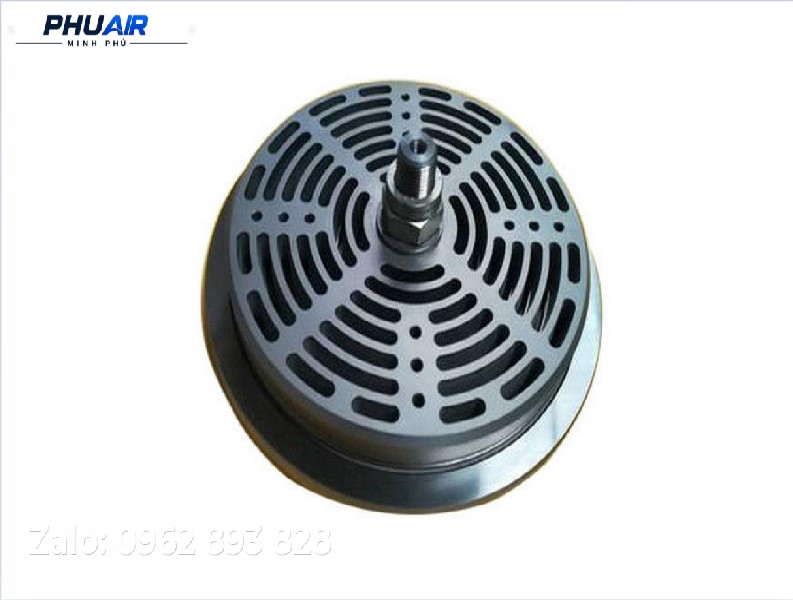
The intake valve is a component of the valve assembly in a piston Airend, responsible for controlling the flow of air entering the cylinder.
In principle, during one operating cycle:
Piston moves downward → intake valve opens → air enters the cylinder.
Piston moves upward → intake valve closes → air is retained for the compression process to continue.
Therefore, the ability to open at the correct time and seal properly during compression directly affects air delivery efficiency.
If the valve does not open sufficiently, the amount of air entering the cylinder is restricted. If the valve does not seal properly, some of the air drawn in may flow backward toward the intake port during compression.
The actual design of the valve assembly may vary between machine models. Therefore, when inspecting or replacing components, verify the correct machine model, Airend configuration, and spare part number.
3. Signs That the Intake Valve in a Piston Air Compressor May Be Faulty
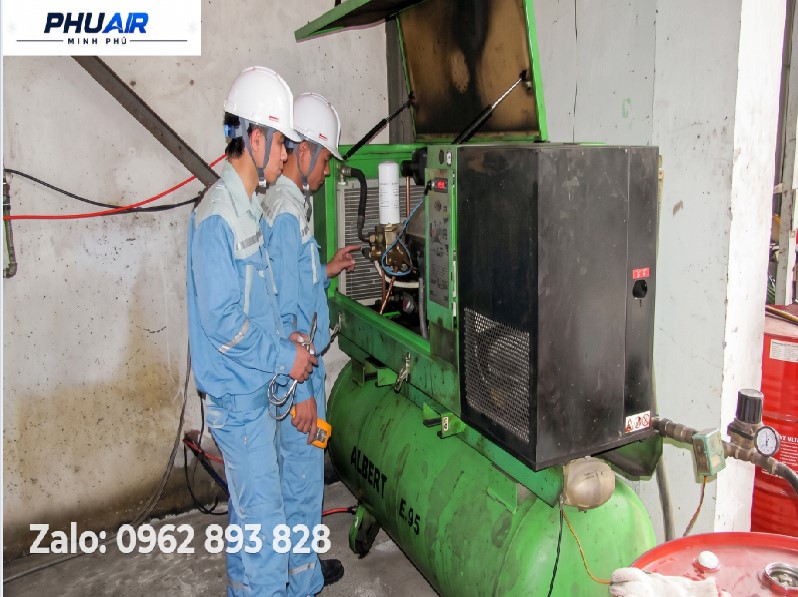
3.1. The Machine Runs but Builds Pressure Slowly
The machine continues to operate but takes longer to reach the required pressure, or the pressure no longer reaches its previous level.
This is a sign that the valve assembly needs to be inspected, but it is not sufficient to conclude that the intake valve is faulty. A restricted air filter, a discharge valve that does not seal properly, worn piston rings, air leaks, or increased air demand can also cause similar symptoms.
3.2. Reverse Airflow at the Intake Port
Reverse airflow or an abnormal fluctuation in airflow around the intake port may be a notable sign when narrowing down a potential valve assembly fault.
If the valve does not seal properly during compression, air may flow backward toward the intake port instead of being retained for further compression.
However, this symptom alone should not be used to draw a conclusion. It must be assessed alongside pressure, airflow, air filter condition, and an inspection of the valve assembly in accordance with the machine's specific configuration.
Safety Note: Do not put your hands or any objects into the intake port while the machine is running.
3.3. Unusual Noise from the Airend
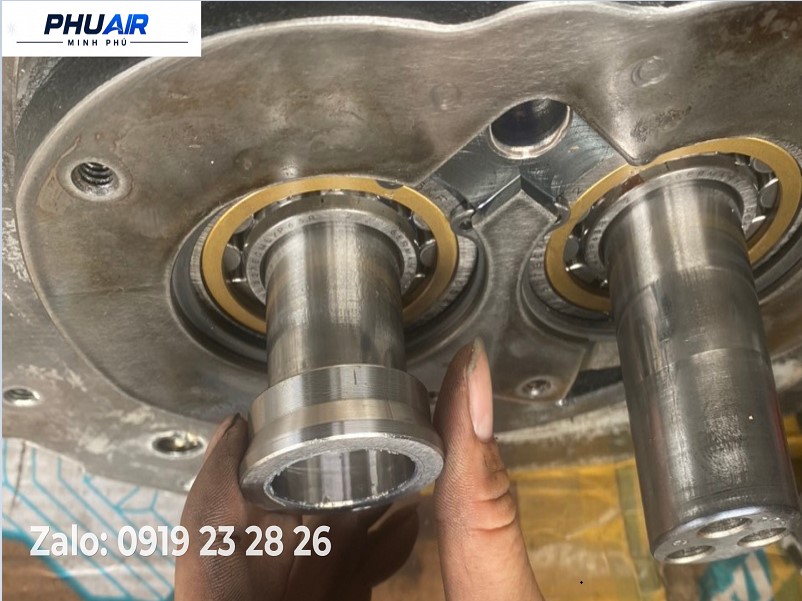
Cracked, deformed, or worn valve plates, or improperly functioning components within the valve assembly, may produce rattling, vibration, or unusual noises around the Airend.
However, noise may also originate from the piston, bearings, belt, or other mechanical components. Therefore, identify the location of the noise and the conditions under which it occurs before disassembling the machine.
3.4. Reduced Airflow
The machine continues to run, but the amount of air supplied to the system is lower than before.
If the intake valve or valve assembly leaks during compression, air delivery efficiency may decrease. However, it is necessary to distinguish between an actual reduction in the machine's air delivery capacity and a situation in which the system is consuming more air or experiencing air leaks.
4. Quick Diagnostic Table
Symptom | Area to Investigate | Next Inspection |
|---|---|---|
The machine runs but builds pressure slowly | Intake valve, discharge valve, air filter, piston rings | Inspect the intake air path and Airend assembly. |
Reverse airflow at the intake port | Valve assembly | Check whether the valve seals properly. |
Rattling noise from the Airend | Valve assembly or mechanical components | Identify the location of the noise and the conditions under which it occurs. |
Reduced air delivery | Valve, piston rings, air filter, air leaks | Compare with previous operating conditions. |
Pressure increases but cannot be maintained | Check valve, discharge line, air leaks | Inspect downstream of the Airend and the air system. |
Dirty or restricted air filter | Intake air path | Inspect and address the issue according to the manufacturer's instructions. |
Do not confirm an intake valve fault based on a single symptom alone.
5. Causes of Intake Valve Failure in Piston Air Compressors
5.1. Cracked or Broken Valve Plate
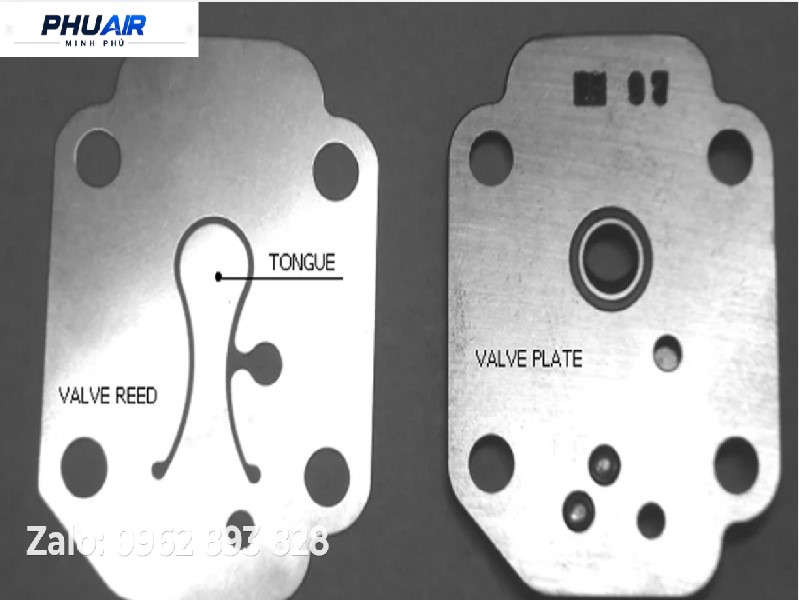
The valve plate must open and close continuously while the machine is operating. If the valve plate is cracked, broken, or damaged, its sealing capability may deteriorate, allowing air to flow backward during compression.
When this symptom is detected, check the correct valve type and spare part number for the machine model before replacing the component.
5.2. Bent or Deformed Valve Plate
A bent or deformed valve plate may prevent the valve surface from making proper contact with the sealing surface.
In this case, the valve may still move, but its sealing performance can no longer be guaranteed, reducing compression efficiency.
Do not grind, bend, or modify the valve plate without authorization from the manufacturer in order to continue using it.
5.3. Deposits, Oil Contamination, or Dirt on the Valve
Deposits and dirt around the valve plate and sealing surfaces may obstruct movement or prevent the valve from closing completely.
This condition may be related to operating conditions, lubricating oil quality, the working environment, or the condition of the air filtration system.
Cleaning or replacement must be carried out in accordance with the technical instructions for the specific Airend type.
5.4. Problems with the Spring or Valve Retaining Components
Depending on the design, the valve assembly may use springs, locating pins, or other components to retain the valve plate.
If these components are damaged, deformed, or incorrectly installed, the valve may no longer move as intended by the original design.
The specific configuration varies between piston air compressors. Therefore, consult the manual or spare parts diagram for the correct model.
5.5. Operating Conditions That Increase the Risk of Damage
Several factors may contribute to faster deterioration of the valve assembly, including:
The machine frequently operates with a high Airend temperature.
The lubricating oil is unsuitable or is not maintained in accordance with the manufacturer's requirements.
The air filter is not maintained properly, allowing dirt to enter the air intake path.
The machine operates in a dusty environment or under harsh working conditions.
These factors should be assessed alongside the operating and maintenance history rather than attributing the problem to a single cause.
6. Do Not Confuse an Intake Valve Fault with an Air Filter Problem or Other Causes
One common mistake is to immediately conclude that the intake valve is faulty when a piston air compressor builds pressure slowly.
If the Air Filter Is Restricted
The airflow entering the Airend decreases, potentially reducing air delivery and increasing the time required to build pressure.
If the Intake Valve Is Leaking
Air may still enter the cylinder, but the valve fails to seal properly during compression. Some air may flow backward toward the intake port, reducing compression efficiency.
If the Piston Rings or Cylinder Assembly Are Worn
The piston's ability to retain and compress air may deteriorate, producing symptoms similar to those of a faulty valve.
If There Are Leaks in the System
The machine may still generate air normally, but air is lost through the piping or connected equipment. As a result, system pressure may drop or the machine may need to run longer.
Therefore, it is necessary to distinguish between:
The machine is not generating enough air
and
The machine is generating air, but the system is losing or consuming too much air.
7. How to Inspect the Intake Valve in a Piston Air Compressor
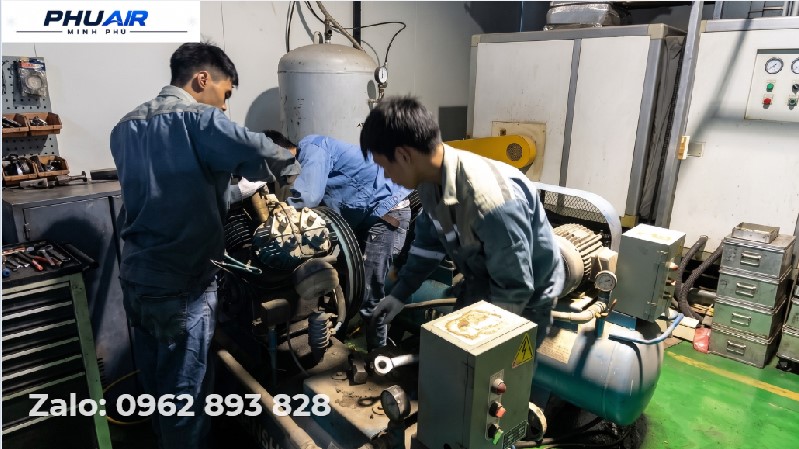
Step 1 – Record the Symptoms
First, record the following:
Does the machine start and run steadily?
Does the actual pressure increase?
Does the pressure rise quickly or slowly?
Has the airflow decreased compared with before?
Are there any unusual noises or vibrations?
Are there any signs of reverse airflow around the intake?
If possible, take a photo of the machine nameplate and record a video of the symptoms to provide the technician with additional diagnostic information.
Step 2 – Inspect the Air Filter and Intake Air Path
Before removing the valve assembly, check the external components:
Air filter → intake port → air intake path to the Airend.
If the air filter is excessively dirty or the intake air path is restricted, address these issues first before concluding that the valve assembly is faulty.
Step 3 – Identify Signs of Reverse Airflow
If there are signs of reverse airflow at the intake port while the machine is running, this is important information that can help the technician narrow down the potential fault to the valve assembly.
Do not put your hands into the intake port or directly contact the airflow while the machine is running.
Step 4 – Have a Technician Inspect the Valve Assembly
If the external checks indicate a possible problem with the valve assembly, the technician may need to isolate the machine and disassemble the cylinder head assembly in accordance with the applicable safety procedures.
The inspection may include the following components:
Valve plates.
Sealing surfaces.
Valve seats.
Valve retainers.
Springs, if used in the design.
Signs of cracking, bending, wear, or deposits.
Removing the cylinder head and inspecting internal components should not be carried out without the appropriate expertise and technical documentation.
8. How to Address a Faulty Intake Valve
Condition | Recommended Action |
|---|---|
Deposits on the valve/valve assembly | Clean according to the manufacturer's instructions. |
Cracked or broken valve plate | Replace with a component suitable for the specific model. |
Bent or deformed valve plate | Assess and replace if it does not meet the technical requirements. |
Damaged valve seat | Inspect the valve assembly and determine whether reconditioning or replacement is appropriate. |
Damaged spring or valve retainer | Replace with the correct component for the machine configuration. |
Valve operating normally | Extend the inspection to the discharge valve, piston rings, gaskets, check valve, piping, and air leaks. |
Do not repair valve plates by grinding, bending, or welding unless the manufacturer specifies an approved procedure for doing so.
9. Safety Precautions When Working on the Intake Valve
Before disassembling or reassembling the valve assembly, you must:
Isolate all energy sources → prevent unintended machine startup → release residual pressure → perform the work in accordance with the manufacturer's safety procedures.
Do not:
Put your hands into the intake port while the machine is running.
Hold the valve in the open position to keep the machine running.
Grind, bend, or weld cracked or bent valve plates without authorization.
Change the valve configuration without checking the machine model.
Remove the cylinder head before confirming that the machine has been isolated and residual pressure has been safely released.
Conclude that the intake valve is faulty solely because the machine fails to build pressure.
In particular, work involving cylinder head removal, valve assemblies, or internal components should be performed by qualified technicians.
10. When Should You Call a Technician?
Request a technical inspection when:
The machine runs but fails to reach the required pressure.
There are signs of reverse airflow at the intake port.
The Airend produces unusual noises.
The valve plate is suspected of being cracked, broken, or deformed.
Inspecting the air filter has not improved the symptoms.
The valve assembly or cylinder head needs to be disassembled.
The cause of reduced airflow or slow pressure buildup cannot be identified.
If you have not determined whether the problem lies with the intake valve, discharge valve, piston rings, or air system, do not replace parts based on guesswork.
11. Information to Prepare When Requesting a Technical Inspection
To help narrow down the cause more quickly, provide the following information:
Machine model + nameplate photo + pressure setpoint/actual pressure + video of the machine running + description of unusual noises or reverse airflow + recent maintenance history.
If the valve assembly has already been removed by a technician, you can also provide photos of the valve plates, valve seats, and related components.
This information helps the technician determine the inspection approach before recommending repairs or replacement parts.
12. Frequently Asked Questions
What Does the Intake Valve in a Piston Air Compressor Do?
The intake valve controls the flow of air into the cylinder during the intake stroke and helps prevent reverse airflow during compression.
Can a Faulty Intake Valve Prevent an Air Compressor from Building Pressure?
Yes. If the valve does not open correctly or fails to seal properly, compression efficiency may decrease, causing the machine to build pressure slowly or fail to reach the required pressure. However, other possible causes must be checked before drawing a conclusion.
Does Air Blowing Back Through the Intake Port Definitely Indicate an Intake Valve Fault?
Not necessarily. This is an important sign for narrowing down the potential fault to the valve assembly, but it must be assessed alongside operating data and the results of an actual inspection.
Can a Dirty Air Filter Cause Symptoms Similar to a Faulty Intake Valve?
Yes. A restricted air filter can reduce the amount of air entering the Airend, resulting in reduced airflow and longer pressure buildup times.
Should a Bent or Cracked Valve Plate Be Ground or Welded?
Do not attempt this type of repair without the manufacturer's authorization. The valve plate must meet the material, shape, and elasticity requirements specified by the design.
Is It Necessary to Replace the Entire Valve Assembly if a Valve Plate Is Faulty?
There is no universal answer for every machine. Whether to replace the valve plate, valve set, or entire assembly depends on the Airend design, the extent of the damage, and the manufacturer's instructions.
Does an Air Compressor That Fails to Build Pressure Definitely Have an Intake Valve Fault?
No. Other possible causes must be distinguished, including the discharge valve, piston rings, air filter, cylinder head gasket, check valve, air leaks, and other system-related issues.
13. Conclusion
The intake valve is an important component of a piston air compressor's compression assembly. If the valve is cracked, bent, worn, contaminated with deposits, or unable to seal properly, the machine may exhibit slow pressure buildup, reduced airflow, or reverse airflow at the intake port.
However, do not replace the valve immediately just because the machine fails to build pressure.
Troubleshooting should begin with the simplest and least invasive checks:
Air filter → intake air path → reverse airflow symptoms → valve assembly → discharge valve → piston rings → gaskets → check valve/air leaks → other system-related factors.
When the Airend must be disassembled or internal components inspected, follow the technical documentation for the specific model and the manufacturer's safety procedures.
PhuAir provides diagnostic support for piston air compressors
If your piston air compressor is running but building pressure slowly, producing weak airflow, showing reverse airflow at the intake port, or suspected of having a faulty intake valve, send PhuAir the following information:
Machine model and nameplate photo.
Pressure setpoint and actual pressure.
Video of the machine running.
Description of any unusual noises or symptoms.
Recent maintenance history, if available.