

Air Compressor Repair Services for Continuous Operation at Industrial Plants | PhuAir
Air compressors running continuously for extended periods are a common issue in many factories, particularly when air demand changes, the system has leaks, or the compressor develops problems with its control system. If the cause is not correctly identified, prolonged operation may increase power consumption and affect the stability of the compressed air system.
However, an air compressor running continuously does not necessarily mean that the Airend is damaged. In some cases, the compressor runs for longer because actual air demand is high. In others, the system fails to reach the required pressure, or the issue is related to load control or components within the compressor itself.
Therefore, before replacing components or deciding to carry out a major overhaul, it is necessary to determine the conditions under which the compressor is running continuously and identify whether the actual cause lies in the compressor or the air-consuming system.
1. Is Continuous Air Compressor Operation Always a Fault?
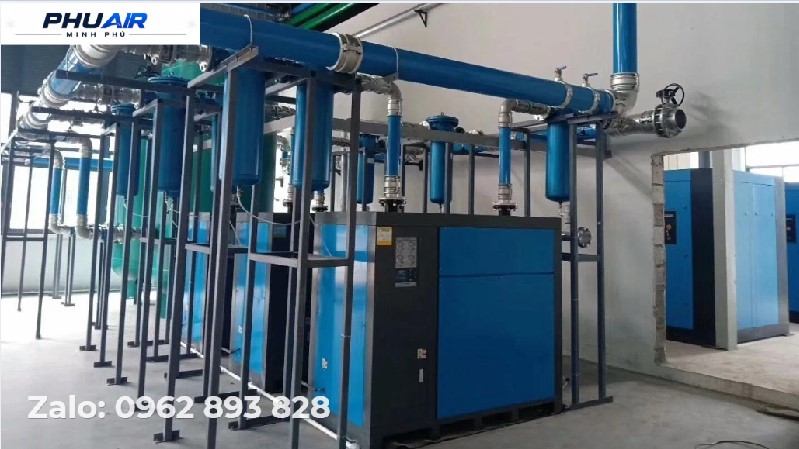
Not every case of continuous compressor operation indicates a fault.
If a plant is consuming a large volume of compressed air and the machine is designed to meet that demand, extended running time may be normal. Conversely, if air demand remains unchanged but the compressor suddenly has to run continuously for longer than before, fails to reach the required pressure, or does not switch operating states as usual, these are signs that an inspection is needed.
For screw air compressors, it is particularly important to distinguish between continuous loaded operation and prolonged unloaded operation. These two conditions have different causes and require different diagnostic approaches.
When the compressor is in the loaded state, it is meeting the system's compressed air demand. When it switches to the unloaded state, it may continue running depending on its design and control configuration, but its power consumption and control behavior will differ. Some models also have a function that stops the machine after a period of unloading, while other configurations may operate according to their own control logic.
Therefore, you should not conclude that the compressor has a fault simply because “the motor is still running.”
2. Two Common Cases of Continuous Air Compressor Operation
Case 1: The Compressor Runs Continuously Under Load but Fails to Reach the Required Pressure
In this case, the compressor must remain in the loaded state for an extended period, but system pressure continues to rise slowly or fails to reach the required level.
The cause may lie in either the compressor itself or the system. The plant may be consuming more air than usual, leaks may have developed in the piping, air-consuming equipment may have changed, or the system may be experiencing significant pressure losses. In addition, issues involving filters, valves, controls, or compressor performance should also be considered.
Therefore, you should not immediately conclude that the compressor is underperforming or that the Airend requires a major overhaul simply because the machine runs continuously.
Case 2: The Compressor Has Switched to Unloaded Operation but Continues Running for an Extended Period
In some configurations, after the required pressure condition is reached, the compressor may switch to the UNLOAD state without stopping the motor immediately. If the machine remains unloaded for longer than usual, its control logic and operating configuration should be checked against the specifications of the particular model.
Possible causes include operating mode settings, the unloaded shutdown timer, control signals, or the condition of certain load control components.
A fixed time interval should not be applied to every compressor to determine whether the machine “fails to shut down automatically.” The shutdown timing and logic depend on the model, controller, and configuration of each machine.
3. Causes to Check When an Air Compressor Runs Continuously
Air Leaks in the System
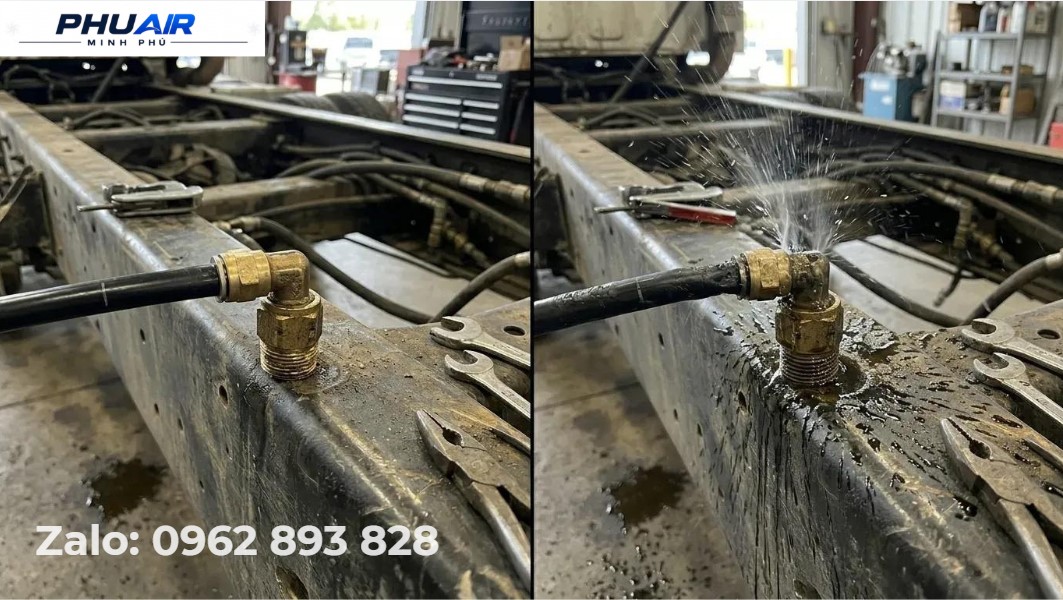
Air leaks are one of the factors that should be checked when a machine has to run longer than usual without a corresponding increase in air demand.
Leaks may occur in pipelines, fittings, valves, flexible hoses, or air-consuming equipment. If the volume of air lost is sufficiently large, the compressor must operate longer to compensate for the lost air.
However, continuous operation alone does not prove that the system has an air leak. The actual air demand, pressure, and operating conditions must be assessed together.
Sensors and Control System
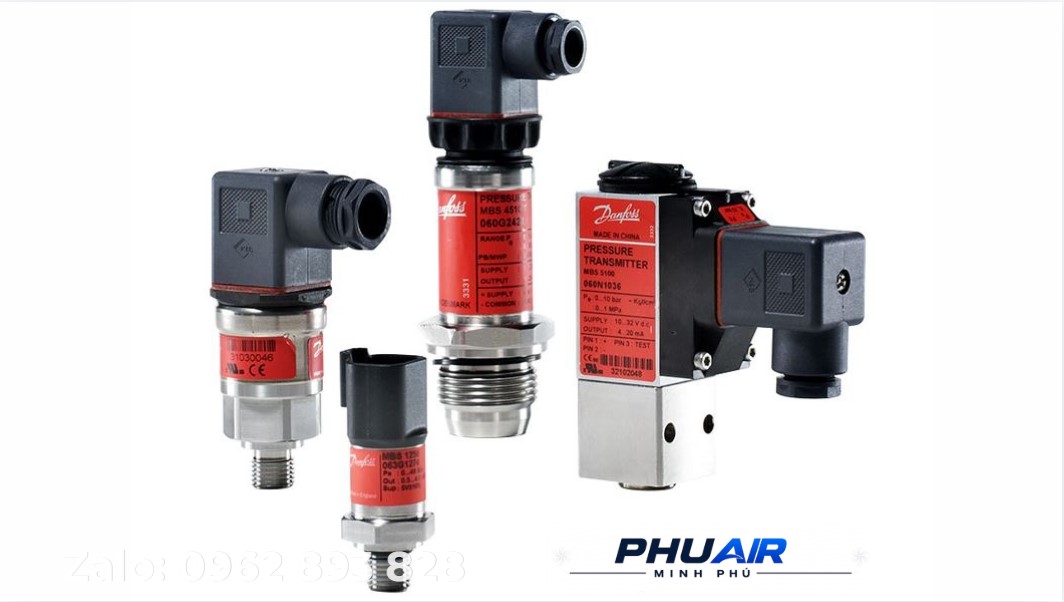
Pressure sensors and related signals play an important role in determining the machine's operating state. If a signal is inaccurate or the control system processes it incorrectly, the machine may fail to switch operating states as intended.
Inspections must be carried out in accordance with the diagrams and documentation for the specific machine model. A sensor should not be replaced solely because the machine runs continuously, without first checking the signals and related potential causes.
Solenoid Valves and Load Control Mechanisms
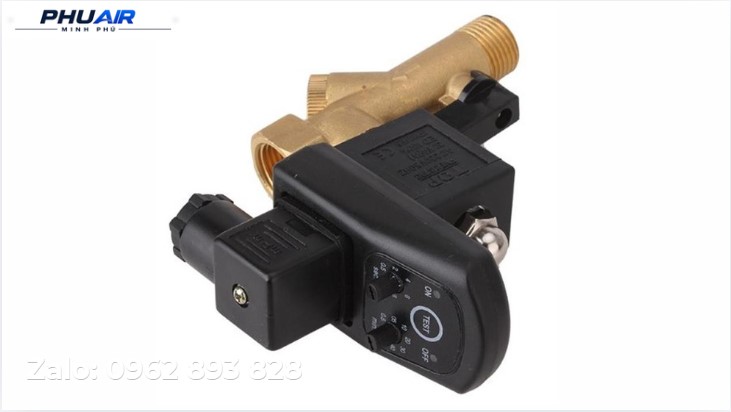
Some machines use solenoid valves and control mechanisms to perform loading and unloading functions. If a valve or related mechanism does not operate correctly, the machine's ability to switch operating states may be affected.
Depending on the design, technicians may need to inspect control signals, valve condition, and related components before determining whether replacement is necessary.
Filters and Auxiliary Components
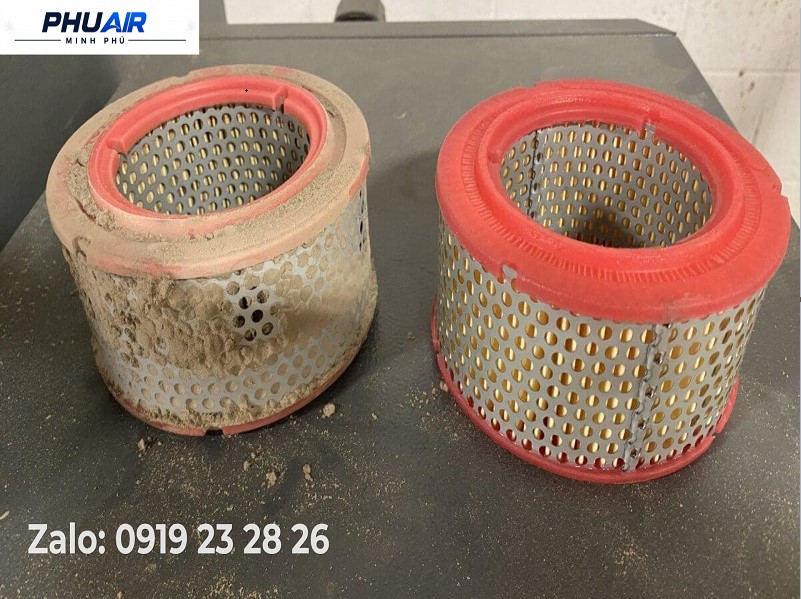
Dirty or overdue air filters, oil separators, and auxiliary components can affect the machine's operating conditions. However, the extent of the impact depends on the actual condition and design of each model.
Therefore, check the machine's indicators, maintenance history, and manufacturer's recommendations rather than applying a fixed replacement interval to all equipment.
Reduced Airend Assembly Performance
This is one of the possibilities to assess when the machine cannot meet air demand, even after air leaks, air consumption requirements, and control components have been checked.
For screw air compressors, the assessment may involve Airend performance, the intake system, control valves, and operating parameters.
For piston air compressors, the inspection approach differs and may involve the intake/discharge valves, piston rings, cylinders, or other components, depending on the design.
An Airend overhaul should not be decided solely on the basis of the compressor running continuously.
4. PhuAir's Fault Intake and Diagnostic Process
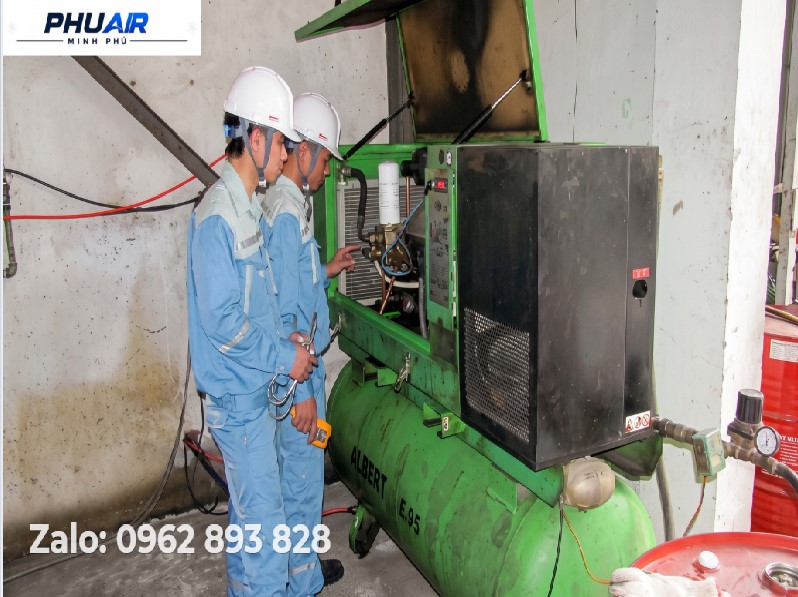
When handling a case involving an air compressor that runs continuously, the first step is to accurately identify the operating symptom. Technicians need to determine whether the machine is running under load or in the unloaded state, the set pressure and actual pressure, how long the machine has been operating continuously, and whether any alarms or fault codes have appeared.
Next, the machine's condition must be compared with the factory's compressed air demand. This helps distinguish between a genuine machine fault and a situation in which the system's air demand exceeds its current supply capacity.
Technicians then narrow down the potential causes involving air leaks, controls, sensors, valves, filters, and machine performance. If internal components need to be inspected or electrical and mechanical work is required, the inspection must be performed by qualified personnel in accordance with safety procedures and the manufacturer's documentation.
Once the cause has been identified, PhuAir recommends a solution appropriate to the actual condition rather than replacing components based on guesswork.
Finally, the machine is tested again after the repair to assess its operating status and confirm that the issue has been resolved within the scope of the work performed.
5. What Information Should You Provide to Help Technicians Diagnose the Problem More Quickly?
If your machine is running continuously, you can prepare some basic information before contacting PhuAir.
The most important details are the machine brand, model, serial number, and power rating. A photo of the machine nameplate is often the quickest way to provide this information accurately.
Next, take a photo of the controller display while the machine is operating. If the screen shows LOAD, UNLOAD, or any alarm codes, capture the entire display so technicians have additional diagnostic information.
Pressure readings are also important. Provide the set pressure and actual pressure, and describe whether the machine is building pressure normally, building pressure slowly, or failing to reach the required pressure.
If possible, a short video showing the controller display and the machine's operating behavior will help technicians understand the situation more quickly.
Operators do not need to remove machine covers, disassemble valves, or measure internal electrical circuits to provide the initial information.
6. When Should You Stop the Machine and Call a Technician?
If the machine is running longer than usual but shows no signs of danger, the cause should be identified promptly to avoid prolonged inefficient operation.
However, if the machine displays a high-temperature alarm, abnormal pressure, excessive vibration or noise, a serious leak, a burning smell, or other abnormal signs, do not continue operating it simply to “wait for the fault to clear itself.”
Work involving electricity, pressure, disassembly, or intervention in internal mechanisms must be performed in accordance with the manufacturer's safety procedures. When energy isolation is required, lockout/tagout (LOTO) and control of all relevant energy sources must be implemented before technicians begin work.
In particular, never bypass overtemperature protection, overcurrent protection, sensors, or safety interlocks to force the machine to keep running. Disabling protective mechanisms can make the fault more severe and create risks for both the equipment and operators.
7. How Is the Cost of Repairing an Air Compressor That Runs Continuously Determined?
There is no single price that applies to every case of an air compressor running continuously.
The cost depends on the cause, machine model, required spare parts, extent of damage, and scope of work. A case requiring only an air leak repair or replacement of a control component is entirely different from one requiring valve assembly disassembly and inspection or a reassessment of Airend performance.
Therefore, an accurate quotation should be provided after the cause and scope of repair have been identified.
For high-cost repairs, inspecting the machine and confirming the cause before replacing components is particularly important. This helps factories avoid replacing the wrong parts and maintain better control over repair costs.
8. Frequently Asked Questions
Does an Air Compressor That Runs Continuously Have an Airend Fault?
Not necessarily. Continuous operation may result from high air demand, system leaks, operating conditions, or problems with the control system. Airend performance should only be assessed after other relevant causes have been investigated.
Is It a Fault If the Compressor Runs Continuously but Still Maintains Sufficient Pressure?
It may indicate a problem if the operating state differs from the machine's intended design or normal configuration. Before reaching a conclusion, check the pressure, LOAD/UNLOAD status, operating mode, and settings for the specific model.
Why Does an Air Compressor Run Continuously but Fail to Build Sufficient Pressure?
Possible causes include air demand, system leaks, pressure losses, operating conditions, or a problem within the compressor itself. This symptom alone is not sufficient to conclude that the Airend has failed.
Can the Fault Be Diagnosed Using Photos and Videos?
In many cases, photos of the machine nameplate, controller display, fault codes, and a video of the symptom can help technicians narrow down the potential causes. However, faults involving internal components, electrical systems, mechanical systems, or machine performance may require an on-site inspection.
Should You Disassemble Valves or Inspect Electrical Components While the Machine Is Running?
No. Operators should only perform external checks permitted by the manufacturer. Internal disassembly or electrical inspections must be carried out by qualified technicians who follow the applicable safety procedures.
AIR COMPRESSOR REPAIR SERVICE FOR CONTINUOUS-RUNNING ISSUES AT YOUR FACTORY WITH PHUAIR
Is your air compressor running continuously, failing to reach the required pressure, or switching between LOAD and UNLOAD abnormally?
Do not rush to replace components or decide on an Airend overhaul before identifying the cause.
You can send PhuAir a photo of the machine nameplate (model/serial number), a photo of the controller display, the set and actual pressure readings, and a short video showing the operating symptom.
Based on this information, PhuAir can help narrow down the potential causes and determine the appropriate inspection scope. If an on-site assessment is required, technicians will evaluate the machine's condition and recommend a solution based on the actual model, configuration, and extent of damage.