

Screw Air Compressor Overheating: Causes and Solutions
Quick Answer: A screw air compressor triggering a high-temperature alarm (High Temperature/High Element Outlet Temperature) or shutting down automatically (tripping) is commonly caused by a dirty or clogged cooler, poor compressor room ventilation or hot-air recirculation, a malfunctioning cooling fan, low oil level, degraded or unsuitable oil, a clogged oil filter, a stuck thermostatic/bypass valve, or a fault in the cooling water system (for water-cooled machines). In oil-injected screw compressors, oil not only lubricates but also contributes to sealing and removing heat from the compression assembly. Therefore, problems with the cooling system, oil level, oil quality, or ventilation conditions can cause the machine temperature to rise rapidly. Rather than immediately disassembling and overhauling the Airend, inspect the machine systematically, starting with the compressor room environment, followed by the cooling system, lubricating oil, and related valves. Do not determine the cause solely from the temperature displayed on the screen; cross-check it against the machine model, ambient conditions, load status, and the manufacturer's instructions.
1. Air Compressor High-Temperature Alarm: What Should You Check?
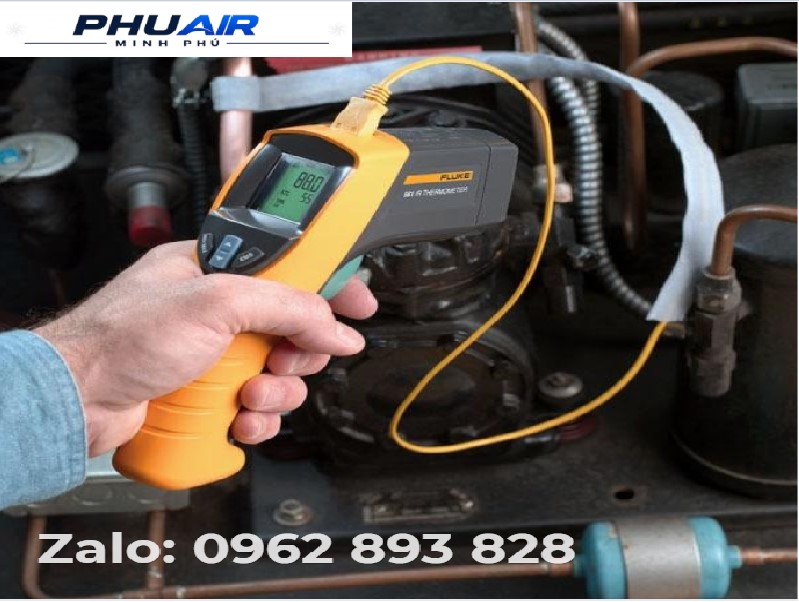
If the machine is triggering a high-temperature alarm, prioritize checking the following:
Ambient temperature and compressor room ventilation.
Whether the oil cooler/cooler is dirty or clogged.
Whether the cooling fan is operating normally.
Oil level and oil condition.
Whether the oil filter is clogged.
Whether the thermostatic/bypass valve is functioning correctly.
For water-cooled machines: cooling water temperature, flow rate, and the condition of the cooling water lines.
Maintenance history and alarm codes displayed on the controller.
Atlas Copco lists common causes of high discharge temperature, including insufficient cooling air, inadequate ventilation, low oil level, a dirty or clogged oil cooler, and cooling water system problems in water-cooled machines.
2. Signs That a Screw Air Compressor Is Experiencing High Temperature
Symptom | Data to Check | Next Inspection Step |
|---|---|---|
High-temperature alarm on the display; emergency shutdown due to overheating (often tripping above approximately 100–105°C, depending on the model) | Alarm code and current temperature | Cross-check the manual for the specific model |
Temperature gradually rises while the machine is running under load; cooling fan runs continuously | Ambient temperature and time taken for the temperature to rise | Inspect the cooling system |
Machine overheats abnormally even though the fan is running | Cooler condition and airflow direction | Check for dirt buildup or blockages |
Low oil level | Oil level under the inspection conditions specified by the manufacturer | Check for leaks and top up with the correct oil type |
High temperature accompanied by degraded oil | Oil color, odor, and replacement history | Check oil quality and replacement intervals |
Water-cooled machine overheats | Water temperature and flow rate | Inspect water lines and heat exchanger |
Frequent high-temperature alarms | Alarm history and maintenance records | Identify the root cause rather than simply resetting the alarm |
The figure of 100–105°C is only an illustrative example of a commonly encountered trip temperature on some machine models. It is not a universal standard threshold. See the section "What Temperature Is Considered High?" below.
3. Why Does a Screw Air Compressor Overheat?
1. Dirty Oil Cooler
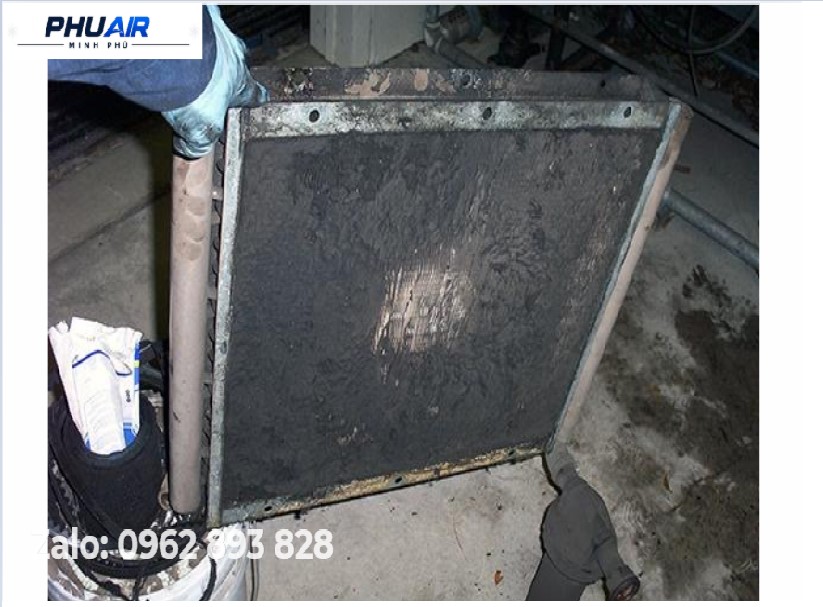
This is one of the first causes that should be checked. In factory environments with significant amounts of dust, oil, or other contaminants, dirt can accumulate on the cooler surface. This buildup restricts heat exchange, making it difficult to cool the oil before it returns to the system. As cooling efficiency decreases, the machine's operating temperature may rise.
Recommended action: Visually inspect the cooler surface and check for dust and oil buildup. Clean it using a method approved by the manufacturer (for example, compressed air or a specialized cleaning solution), taking care not to bend or deform the aluminum cooling fins. Then recheck the temperature after the machine has been operating. Depending on the factory environment (dusty or lint-filled versus clean), the cooler should be inspected and cleaned periodically, approximately once every 1–3 months, to maintain heat dissipation efficiency.
Atlas Copco also identifies a dirty oil cooler or restricted cooling as a cause to investigate when the compression element or discharge air temperature is high.
Note: Do not use the same cleaning method for every type of cooler. The cleaning procedure must be appropriate for the design and instructions of each model.
2. Poor Compressor Room Ventilation or Hot-Air Recirculation
An air compressor generates heat during compression. If this heat is not removed from the compressor room, the surrounding air temperature will rise. Another issue occurs when hot air discharged from the cooling outlet flows back into the machine's cooling air intake. The machine then continues to draw in hot air, making cooling conditions less favorable.
Atlas Copco recommends checking for restricted cooling airflow, improving ventilation, and preventing hot-air recirculation in the compressor room.
Check the following: compressor room air inlets and outlets, ventilation fans, hot-air discharge direction, clearance around the machine, and whether hot air is recirculating into the cooling air intake area.
3. Cooling Fan Malfunction
In air-cooled machines, the fan moves air through the heat exchange area. If the fan does not run, operates at the wrong speed, has a motor problem, has damaged blades, or its airflow is obstructed, the machine's heat dissipation capacity may decrease.
When the machine triggers a high-temperature alarm, do not assume that the cooling system is functioning normally just because the fan is visibly rotating. Check its operating condition and actual airflow. Atlas Copco also lists cooling fan malfunction among the causes to investigate when the compression element temperature is high.
4. Low Oil Level
In oil-injected screw air compressors, oil performs several functions: lubrication, sealing, and helping remove heat from the compression assembly. If the oil level is low, oil circulation and cooling performance may be affected.
When a low oil level is detected, do not simply add oil and ignore the underlying issue. Check whether the machine has an oil leak, whether the oil level was checked under the conditions specified by the manufacturer, whether there are signs of abnormal oil consumption, and whether oil changes have been performed according to schedule. Both Atlas Copco and Quincy list low oil level among the causes of high discharge temperature.
5. Degraded or Unsuitable Compressor Oil
In oil-injected screw compressors, oil is more than just a lubricant — it also contributes to cooling and sealing within the compression assembly. If the oil has deteriorated or an unsuitable oil type is used, its protective and temperature-control performance may be affected.
Check the following: the type of oil being used, operating hours since the last oil change, actual operating conditions, maintenance history, and signs of oil deterioration. Do not mix different oil types without first confirming their compatibility.
6. Clogged Oil Filter
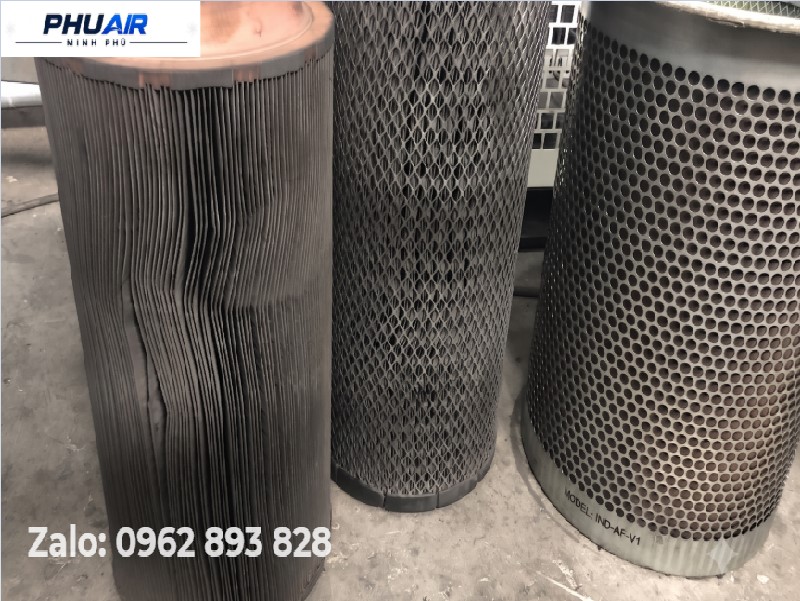
The oil filter removes contaminants from the oil circuit. When the filter becomes clogged, oil flow may be affected depending on the system design and bypass status. If the machine experiences high-temperature issues, check the following: oil filter condition → differential pressure/alarm, if monitored by the model → filter replacement history.
Quincy's troubleshooting documentation also lists a plugged oil filter among the causes associated with high discharge temperatures.
7. Problems with the Thermostatic or Bypass Valve
Some oil cooling systems use a thermostatic/bypass valve to control the oil flow path through the cooler according to temperature conditions. If the valve becomes stuck — for example, stuck in the position that closes off the cooler, preventing hot oil from being cooled — oil flow through the cooler may not reach the required operating condition, causing the machine temperature to rise rapidly after loading.
Therefore, if the cooler has been inspected, the oil level is appropriate, and the fan and ventilation are functioning properly, but the temperature remains abnormal, the thermostatic/bypass valve should be checked according to the specific machine design. Quincy's technical documentation also lists a faulty thermal bypass valve among the causes of high discharge temperatures.
8. Problems with the Water-Cooled System
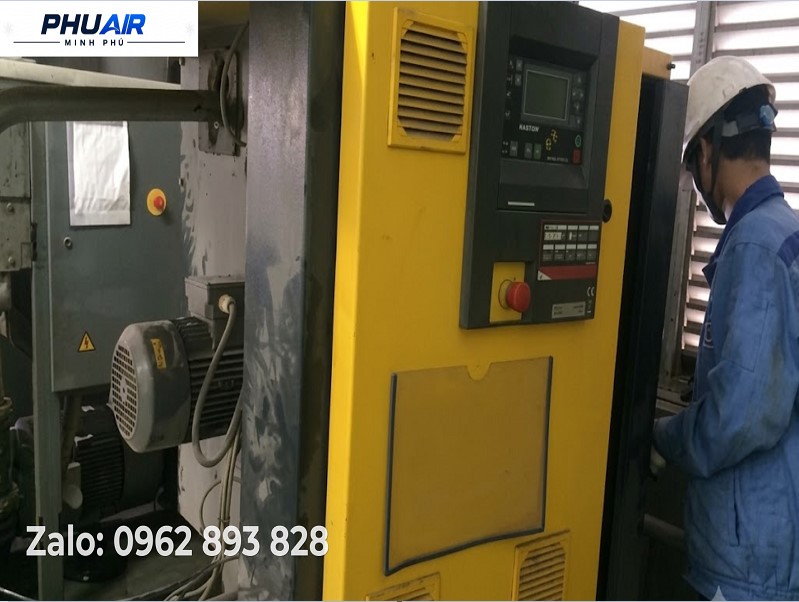
Not all screw air compressors are air-cooled. For water-cooled machines, additional checks are required, including cooling water temperature, water flow rate, possible blockages in the water lines, scale buildup in the heat exchanger, and water quality in accordance with the manufacturer's requirements.
Atlas Copco identifies excessively high cooling water temperature, low water flow rate, and restrictions caused by dust or deposits in the water system as factors that should be checked on water-cooled machines.
9. Excessively High Ambient Temperature
Ambient temperature directly affects the machine's cooling conditions. Particular attention is required when the machine operates in an enclosed compressor room, a high-temperature area, a dusty environment, an area exposed to hot air from other equipment, or a compressor room with an inadequate ventilation system.
Atlas Copco classifies high ambient temperature, dust, and high humidity as conditions that can increase the severity of operating conditions for the oil and affect maintenance requirements.
4. In What Order Should a High-Temperature Air Compressor Be Inspected?
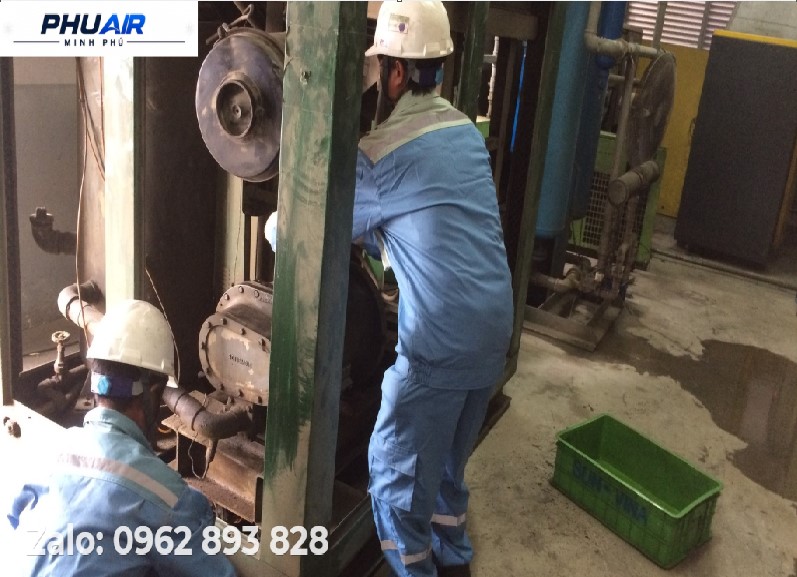
Do not disassemble the compression assembly immediately when a high-temperature alarm appears. Start with the following inspection sequence:
Record the alarm details: alarm code, displayed temperature, time of occurrence, whether the machine was in LOAD or UNLOAD mode, and how long the machine had been running before the alarm appeared.
Check the compressor room conditions: ambient temperature, ventilation, hot-air discharge path, and the possibility of hot air recirculation.
Inspect the cooling system: cooler, fan, airflow, dirt buildup, and heat exchange performance.
Check the oil: oil level, oil type, replacement history, signs of oil deterioration, and possible leaks.
Inspect filters and related components: oil filter, air filter, air/oil separator, oil return/scavenge line, and thermostatic/bypass valve, depending on the model.
For water-cooled machines: check water temperature, flow rate, piping, heat exchanger, and scale buildup.
Review controller data and cross-check the machine manual — this is an important step before reaching a conclusion. Do not apply the temperature threshold of one model to another.
5. What Temperature Is Considered High for a Screw Air Compressor?
There is no single temperature value that applies to all screw air compressors. Alarm and shutdown limits depend on the machine model, Airend design, oil type, cooling system, ambient temperature, controller settings, and operating conditions.
In practice, many medium-sized screw air compressor models may trip at temperatures above approximately 100–105°C. However, this is only a common illustrative example, not a standard threshold for every model. Atlas Copco documentation classifies operating conditions according to ambient temperature and compression element outlet temperature to assess operating severity, while also requiring operators to consult the instructions for the specific machine model.
Therefore, when a high-temperature alarm occurs, prioritize the specifications in the manual for the machine in use.
6. Is High Compressor Temperature Dangerous?
It can be. If high-temperature conditions persist without identifying the cause, heat can affect the oil, seals, gaskets, and internal components, while reducing the machine's service life and reliability. Quincy also notes that prolonged high discharge temperatures can degrade oil, affect seals, and shorten machine life.
In particular, repeatedly resetting the alarm to force the machine to restart without addressing the cause of overheating can lead to specific mechanical consequences, including oil seal failure, deformation of mechanical components, or severe screw rotor seizure.
Do not repeatedly reset the alarm to force the machine to restart without identifying the cause.
If there are abnormal signs involving oil, noise, vibration, the fan, pressure, or a rapid temperature rise, stop the machine and inspect it according to the manufacturer's safety procedures.
7. Common Mistakes When Troubleshooting High Compressor Temperature
Adding oil and immediately restarting the machine — if the cause is an oil leak, a dirty cooler, or a cooling system fault, adding oil will not address the root cause.
Cleaning the cooler without checking ventilation — even with a clean cooler, excessive room temperature or hot-air recirculation can cause the temperature to remain high.
Changing the oil without checking its type — not every oil is suitable for every air compressor.
Repeatedly resetting the alarm — resetting the alarm does not mean the cause has been resolved and may lead to oil seal failure, mechanical component deformation, or screw rotor seizure.
Applying the same temperature threshold to every machine — specifications must be checked against the specific model and its technical documentation.
8. Frequently Asked Questions (FAQ)
1. Why does a screw air compressor only trigger a high-temperature alarm after running for a while?
Possible causes include reduced cooling efficiency, a dirty cooler, inadequate ventilation, high ambient temperature, low oil level, or oil-related problems. Review temperature data over time to help narrow down the cause.
2. Can a dirty cooler cause an air compressor to overheat?
Yes. Dust or oil deposits on the cooler can reduce heat exchange efficiency and cause the operating temperature to rise.
3. Can low oil level cause an air compressor to overheat?
Yes, it can. In oil-injected screw compressors, oil helps lubricate, seal, and cool the compression assembly. Therefore, an unsuitable oil level should be checked when the machine operates at a high temperature.
4. Does high compressor temperature mean the oil must be changed immediately?
Not in every case. Check the oil level, oil condition, oil type, maintenance history, and cause of the high temperature before deciding whether to replace the oil.
5. Can an air compressor be restarted repeatedly after a high-temperature alarm?
You should never repeatedly force the machine to restart before resolving the cause of overheating. Doing so may cause oil seal failure, mechanical component deformation, or severe screw rotor seizure.
6. How often should an air compressor cooler be cleaned?
This depends on the actual factory environment, including whether there is significant dust or textile lint or whether the area is relatively clean. As a general guideline, the cooler should be inspected and cleaned periodically, approximately once every 1–3 months, to maintain optimal heat dissipation performance.
7. When should you call a technician?
Request a technical inspection if the machine repeatedly triggers high-temperature alarms, shuts down automatically, experiences an abnormal temperature rise despite basic checks, or requires an in-depth inspection of the oil system, thermostatic valve, compression assembly, or controller.
9. Conclusion
High temperature in a screw air compressor is not always caused by insufficient oil. The main areas to inspect include:
Cooling — Ventilation — Fan — Oil Level — Oil Quality — Oil Filter — Thermostatic Valve — Water Cooling System — Ambient Conditions — Compression Assembly
The most important step is to identify the cause using actual operating data rather than simply seeing a temperature alarm and replacing components or repeatedly resetting the machine to force it to run.
PhuAir Supports High-Temperature Air Compressor Inspections
If your air compressor is experiencing rising temperatures, triggering a High Temperature alarm, or shutting down automatically, prepare and send the following information:
A photo of the machine's technical nameplate.
Photos or videos of the cooler, oil level, and compressor room.
The exact temperature displayed on the controller before the machine shuts down.
The alarm code and LOAD/UNLOAD status.
Current operating hours and the most recent maintenance history, including oil, oil filter, and oil separator replacement.
This information will help the PhuAir technical team narrow down the cause more quickly and accurately, rather than recommending an Airend overhaul based on assumptions.